Understanding scars
Scars are a natural part of the body’s healing process, but they vary widely in how they look and feel. Knowing how a scar forms and what influences it helps you care for it better.
Types of scar
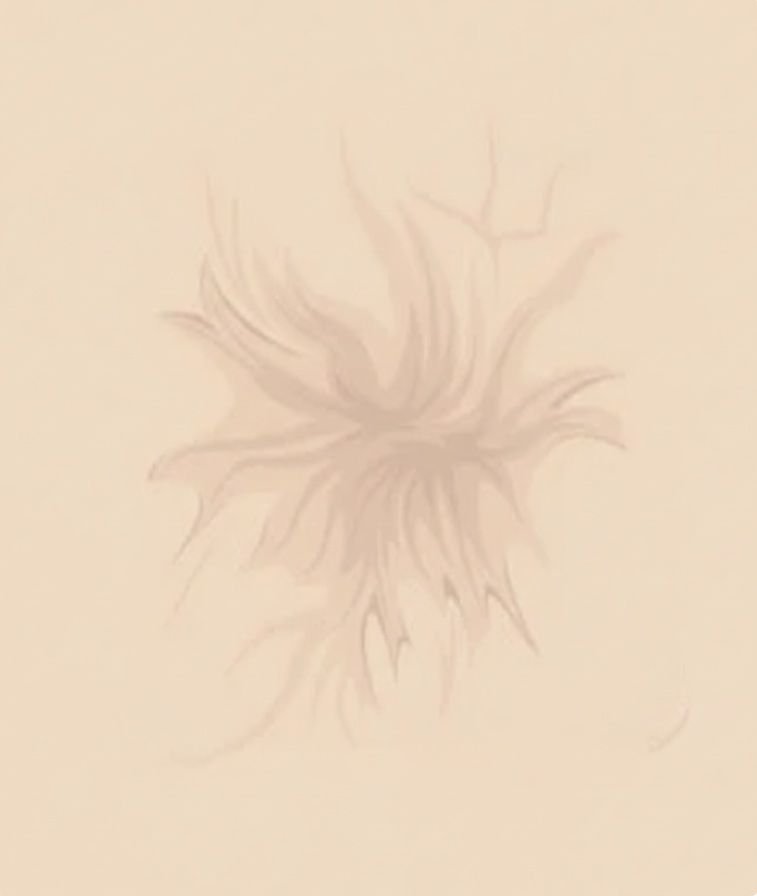
Contracture scars
Scars that make the skin tighten and pull together, often after burns. Around muscles or joints, they can make movement harder.
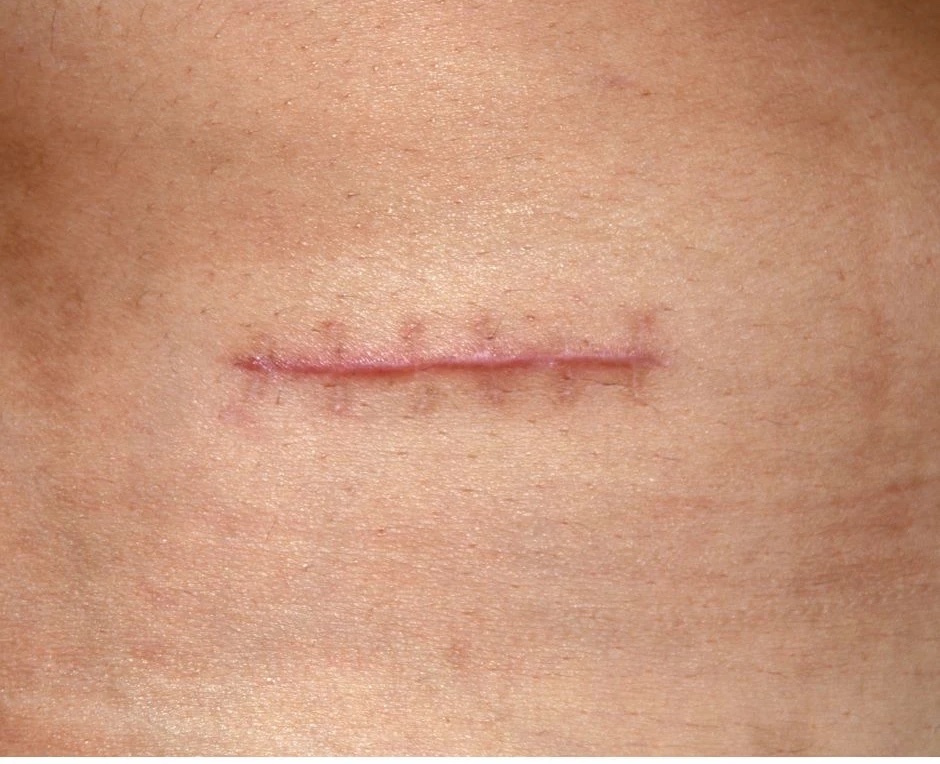
Surgical scars
Usually a straight line, thinner or thicker depending on how the wound was cared for. Good aftercare can make a real difference to how they look.
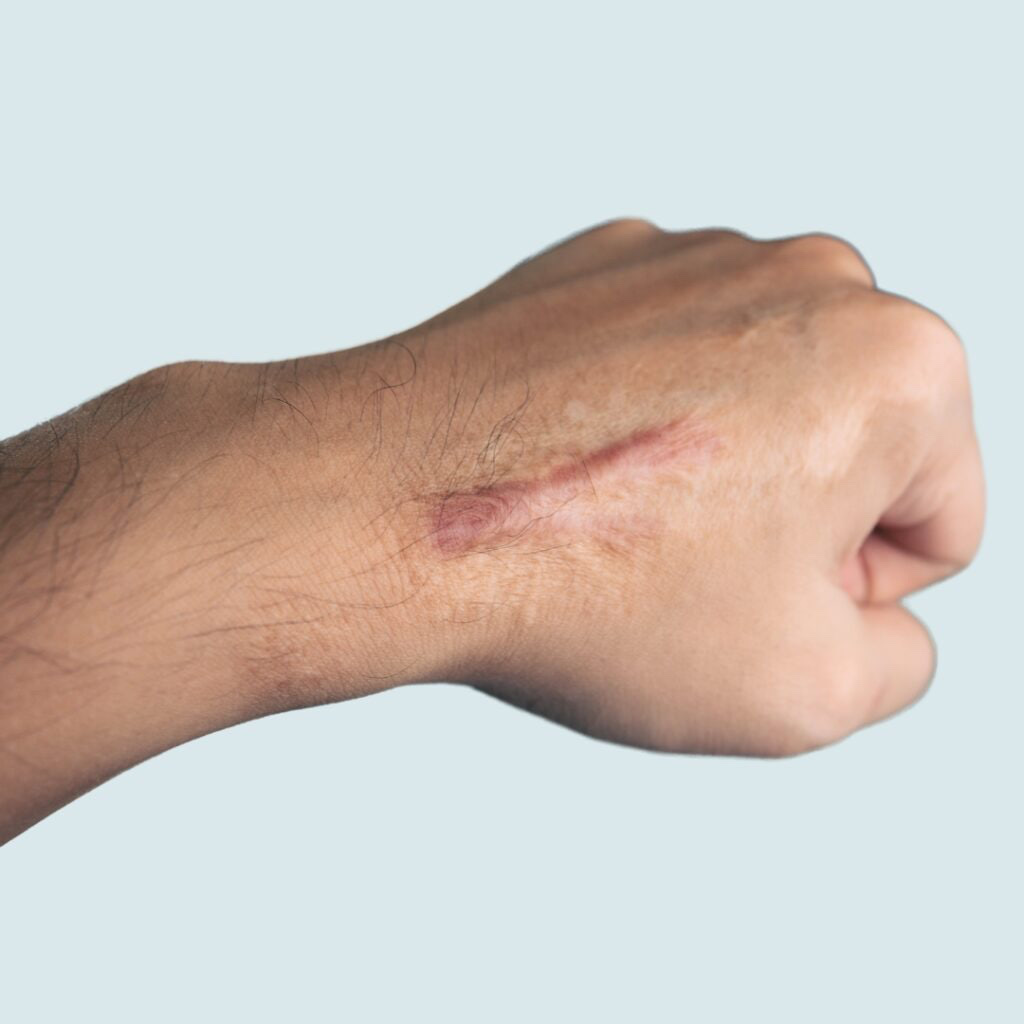
Hypertrophic scars
Thick, raised scars that stay within the edges of the wound. They often form after burns, cuts or surgery and can flatten over time.
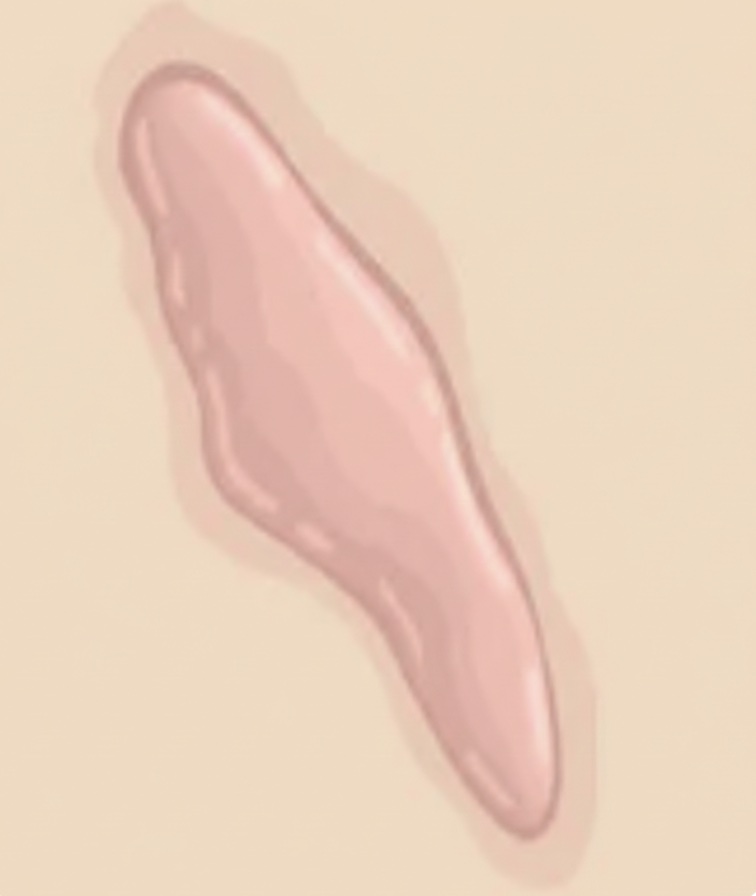
Keloid scars
Raised scars that grow beyond the edges of the original wound, caused by the body producing too much collagen.
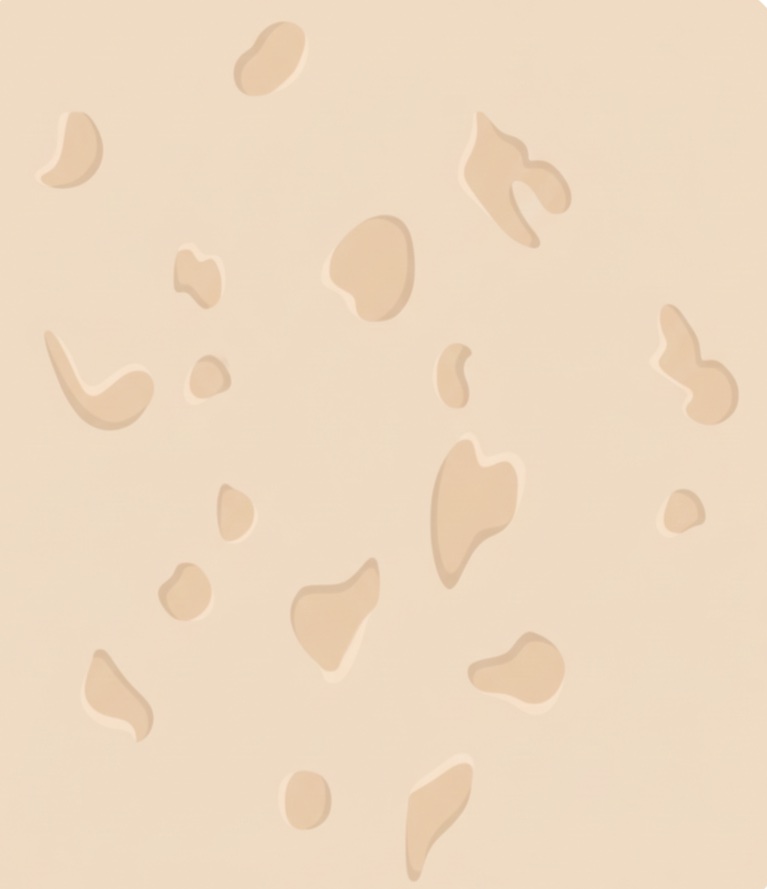
Atrophic scars
Sunken scars that form when the skin loses tissue, for example after acne or chickenpox.
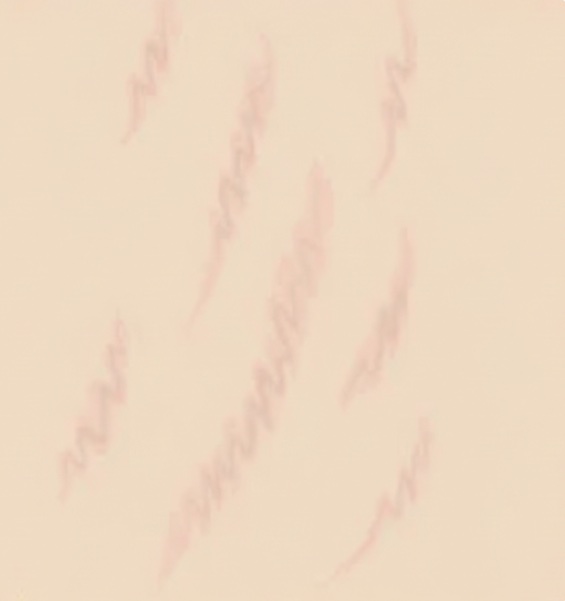
Stretch marks
A form of scarring caused by the skin stretching quickly, for example during growth spurts, weight changes or pregnancy.
How a scar forms
Inflammation phase
Days 0–7The body gets to work straight away, cleaning the wound. Redness, swelling and warmth are normal at this stage.
Rebuilding phase
Days 7–21New tissue starts to form. Cells called fibroblasts produce collagen, which gives the skin its structure. This is when the foundation of the scar is laid.
Maturation phase
Weeks to monthsThe scar matures and grows stronger. Collagen fibres line up and link together. Depending on the type of scar, this can take months or even years.
What affects how a scar forms?
Wound care
Cleaning and dressing a wound properly can make the scar less noticeable.
Skin type
Genetics and skin tone play a part. Darker skin, for example, is more prone to keloids.
Location
Scars in areas with a lot of tension or movement, such as joints, often turn out thicker or more noticeable.
Age
Younger skin recovers faster, but it also produces collagen faster, which can actually make scars more visible.
How Charmétique cares for your skin
Supports natural recovery
With onion extract (Allium cepa), long used in scar care, to help improve the appearance of scars over time.
Intensive hydration
Glycerin and sodium hyaluronate hold on to moisture, so your skin stays supple.
Soothes the skin
Aloe vera and shea butter calm and soften, so your scar feels more comfortable.
Helps keep skin elastic
Vitamin E and sodium hyaluronate help keep your skin supple and resilient.
Nourishes and protects
Together, aloe vera, shea butter and vitamin E care for the skin and support a healthy skin structure.
Tips for caring for your scar
Protect it from the sun
Use sunscreen to prevent your scar from discolouring.
Massage regularly
Massage gently once the wound has closed. This boosts circulation and helps the cream sink in.
Drink enough water
A well-hydrated body is good for your skin too.
Be patient
A scar needs time. Keep caring for it every day.